How to Remove Stains from Aprons: Complete Cleaning Guide
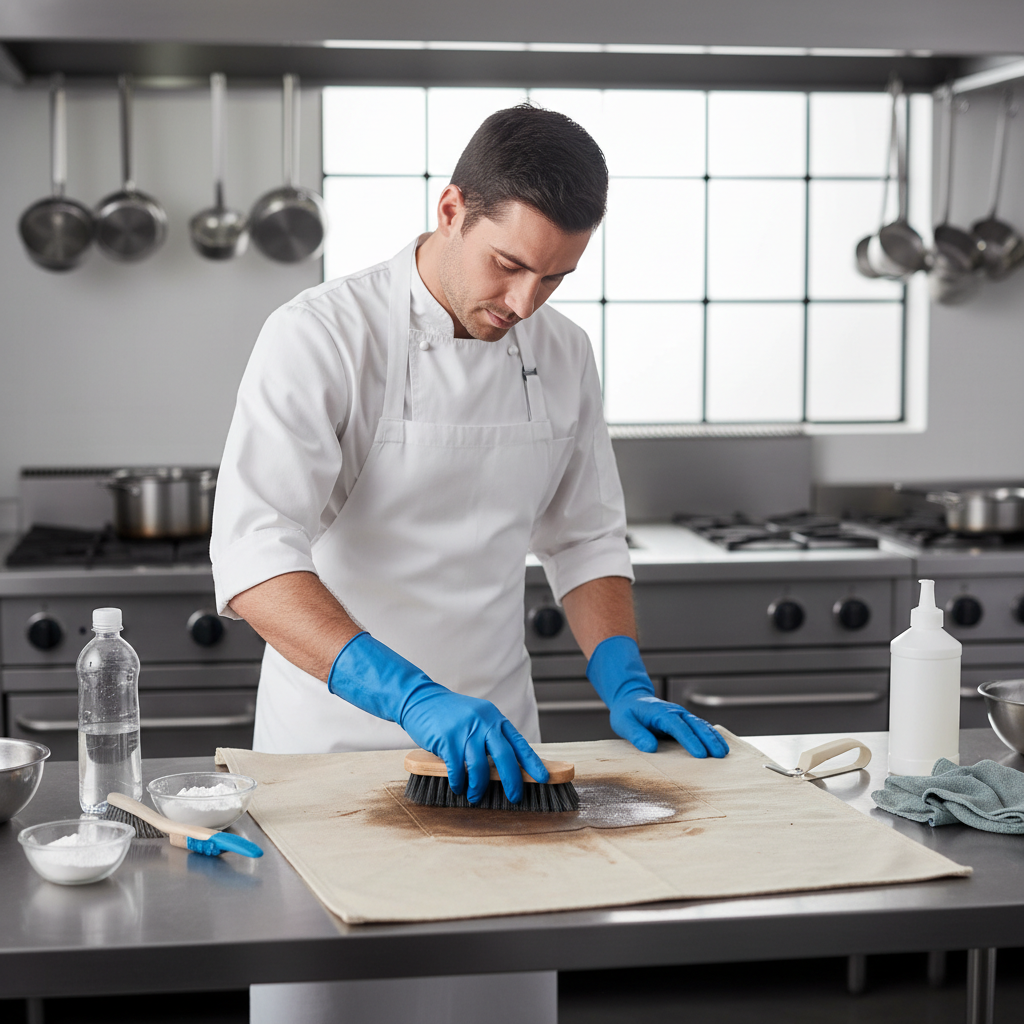
Index
- Introduction: The Apron as a Mirror of Professionalism
- The Science of Fabrics: Knowing the Material is the First Step
- Golden Rule: The Stain's "Golden Hour"
- The "Big Three": Conquering the Most Feared Restaurant Stains
- Other Common Villains: Coffee, Tomato Sauce, and Rust
- Pre-Treatment Techniques: Soaking, Enzymes, and Homemade Solutions
- Machine Washing: Cycles, Temperatures, and Detergents
- The Importance of Drying and Ironing in Setting or Removing Stains
- Color and Integrity Maintenance: Long-Lasting Uniforms
- Special Aprons: Care for Denim and Waterproof Materials
- When to Replace: Signs That the Apron Has Fulfilled its Duty
- Frequently Asked Questions (FAQ)
Introduction: The Apron as a Mirror of Professionalism
In the world of hospitality and catering, first impressions are often the only ones that count. Even before a customer tastes a dish or sips a cocktail, they assess the team's hygiene and professionalism by their appearance. An immaculate apron is not just a protective barrier for civilian clothes; it is a banner of hygiene, discipline, and pride in the craft.
However, maintaining aprons in perfect condition is a daily battle. The kitchen is an aggressive environment for textiles: extreme heat, flying grease, citrus acids, and constant spills threaten the integrity of the fibers every shift. For hotel managers and chefs, food hygiene and safety and the role of the apron are intrinsically linked. A dirty apron is not just unsightly; it can be a vector of cross-contamination.
This extensive guide is designed to solve the most common uniform maintenance problems, offering a technical 'How-to' manual for removing the toughest stains without destroying the fabric, extending the lifespan of the investment made in professional uniforms.
For a more comprehensive overview, please consult our Complete Guide to Professional Aprons: Hospitality and Catering.
The Science of Fabrics: Knowing the Material is the First Step
Before applying any chemical product, it is crucial to identify the composition of your apron. Different fibers react differently to cleaning agents and temperatures.
Cotton (Natural Fibers)
Cotton is hygroscopic, meaning it absorbs liquids quickly — including stains. However, it is resistant to higher temperatures and the mechanical action of washing.
- Advantage: Comfortable and breathable.
- Challenge: Stains penetrate deep into the fiber.
- Treatment: Withstands hot water (for whites) and controlled oxidizing agents.
Polyester and Blends (Polycotton)
Most professional kitchen and hospitality aprons use polyester and cotton blends to combine durability with comfort. Polyester is an oleophilic fiber (attracts oil and grease), which makes grease stains particularly difficult to remove if not treated properly.
- Advantage: Retains color and shape, dries quickly.
- Challenge: Retains odors and greases.
- Treatment: Requires detergents with effective surfactants to "break" the bond of oil to the fiber's plastic.
Denim
Denim aprons are a growing trend, especially in the "Bistro" style. Denim is a robust cotton twill, but the indigo dye requires special care to avoid irregular fading.
- Advantage: Hides dirt well and offers thick protection.
- Challenge: Color loss (fading) and risk of staining other clothes.
Waterproof Materials (PVC, Polypropylene, Rubber)
Used in sculleries and heavy food industries, waterproof aprons are total physical barriers.
- Advantage: Liquid does not penetrate.
- Challenge: Cannot be washed at high temperatures without the risk of melting or cracking the coating.
To deepen your knowledge about which material to choose, consult our article on materials and fabrics: cotton, polyester, or waterproof.
Golden Rule: The Stain's "Golden Hour"
The effectiveness of removing any stain is inversely proportional to the time it remains on the fabric. There is a "Golden Hour" after the incident where removal is almost guaranteed.
What to Do Immediately (During Operation):
- Remove excess: If sauce or solid has spilled, remove it with a spoon or the back of a knife. Never rub, as this pushes the stain deeper into the fibers.
- Absorb: For liquids, use absorbent paper, pressing lightly.
- Do not apply heat: Stay away from ovens or direct heat sources on the stain area, as heat "cooks" the protein or sugar in the stain, setting it permanently.
The Common Mistake
Many professionals put the dirty apron in the laundry basket at the end of their shift and wait until their day off (days later) to wash it. During this period, oxidation occurs, and the stain becomes part of the fabric's molecular structure. If you cannot wash it immediately, soak the apron in cold water.
The "Big Three": Conquering the Most Feared Restaurant Stains
We will address the three most common and difficult stains, with specific protocols for catering.
1. Grease and Oil (The Invisible Enemy)
Grease is the number 1 problem in kitchens. In synthetic fabrics (polyester), grease creates a strong chemical bond.
Removal Protocol:
- Dish Soap (The Secret): Hand dish soaps are specifically formulated to break down lipids (fats). Before wetting the apron, apply a generous drop of high-quality dish soap directly onto the dry grease stain.
- Gentle Massage: Rub the detergent into the fabric with your fingers or a soft toothbrush.
- Waiting Time: Let it act for 15 to 30 minutes.
- Hot Rinse: Wash with the hottest water the manufacturer's label allows. Hot water helps liquefy the grease that the detergent has loosened.
Pro Tip: For old oil stains, sprinkle talcum powder or cornstarch over the stain and place an absorbent paper on top. Iron (warm) over the paper. The heat draws the oil into the absorbent powder.
2. Red Wine and Pigmented Drinks
A nightmare for those who wear bartender aprons or sommelier aprons. Tannin and natural pigments quickly dye the fabric.
 Gil Denim Bib Apron - An excellent option to disguise small stains during service due to its color and texture.
Salt Myth: Do not put salt on the stain if the wine has already dried. Salt only works on very fresh stains to absorb the liquid but can set the color if left too long.
Removal Protocol:
- White Wine or Vinegar: Ironically, white wine can help neutralize red wine. Alternatively, saturate the stain with white vinegar.
- Sparkling Water: Carbon dioxide helps lift the stain from the fibers.
- Baking Soda Paste: Make a paste with baking soda and water. Apply, let it dry, then brush it off.
- Washing: Wash with cold water (heat sets tannins).
3. Blood and Proteins (Fish, Raw Meat)
Common in butcher shops, fish markets, and mise-en-place preparations.
FATAL MISTAKE: Using hot water. Hot water cooks the blood protein, coagulating it within the fiber. Once cooked, blood almost never comes out.
Removal Protocol:
- Ice Water: Immediately immerse the apron in cold or ice water.
- Hydrogen Peroxide: For white or colorfast aprons, apply a small amount of hydrogen peroxide to the stain. It will bubble, which means it is reacting with the protein. Rinse as soon as the effervescence stops.
- Blue and White Soap: The classic Portuguese soap is excellent for biological stains. Rub in cold water.
For environments with high exposure to blood and fluids, consider prevention through the right equipment, such as waterproof and protective aprons.
Other Common Villains: Coffee, Tomato Sauce, and Rust
Kitchens are chemical laboratories, and stains vary.
Coffee
Being acidic and containing oils, coffee should first be treated with cold running water (from the back to the front of the fabric, to push the stain out). If it persists, a mixture of vinegar and ethyl alcohol helps.
Tomato Sauce
The acidic base and red pigment are difficult.
- Remove excess.
- Apply pure white vinegar to cut the acidity.
- Wash immediately. Drying in the sun helps, as UV rays degrade the tomato pigment (lycopene), but be careful with fading of the surrounding fabric.
Rust
Can occur due to poor quality metal buttons or contact with old countertops.
- Solution: Lemon juice and salt. Apply to the rust stain and leave in the sun. Citric acid reacts with iron oxide.
- Note: Our bib aprons use quality hardware to minimize this risk.
Pre-Treatment Techniques: Soaking, Enzymes, and Homemade Solutions
Before throwing everything into the machine, pre-treatment is what separates a clean uniform from a "so-so" one.
The "Soaking" Technique
Soaking aprons overnight is an effective passive strategy.
- For Whites: Lukewarm water + Sodium Percarbonate (active oxygen is safer than chlorine bleach).
- For Colors: Cold water + White Vinegar (helps set color and removes odors).
Enzymatic Cleaners
For professional kitchens, enzymatic detergents are superior. They contain specific enzymes (proteases, lipases, amylases) that biologically "eat" protein, grease, and starch stains, respectively. They are essential for hotel aprons where the image cannot have flaws.
Machine Washing: Cycles, Temperatures, and Detergents
The washing machine is where the magic happens, but also where many aprons are destroyed by incorrect settings.
Recommended Temperature Table
| Stain Type / Fabric | Ideal Temperature | Reason |
|---|---|---|
| Heavy Grease (Cotton) | 60°C - 80°C | Heat melts grease. |
| Grease (Blend/Synthetic) | 40°C - 50°C | Avoid damage to polyester ("permanent wrinkles"). |
| Blood / Egg / Milk | Cold (Max 30°C) | Avoid protein coagulation. |
| Dark Colors / Denim | Cold (Max 30°C) | Prevent fading. |
| Hotel Whites | 60°C+ | Thermal sanitization. |
Machine Load
Never overload the machine. Aprons need space to move and for water to circulate through the fibers. If the drum is too full, there will be insufficient friction to clean, and rinsing will leave detergent residues.
Care with Straps
Cross-back aprons or those with long ties tend to tangle, which can tear the fabric or pull off pockets.
- Solution: Tie a loose knot in the straps before washing or, ideally, use laundry mesh bags for each apron.
The Importance of Drying and Ironing in Setting or Removing Stains
Drying
- Air Drying: This is the best option for fiber longevity. The sun is a natural whitener and disinfectant for white aprons. However, for black or colored aprons, dry in the shade to prevent UV fading.
- Tumble Drying: Excessive heat deteriorates the elasticity of fibers and can shrink cotton. Use medium heat. Never put an apron that still has stain traces in the dryer; the heat will make it permanent.
Ironing
Ironing is not just for aesthetics. The heat of the iron (at the correct temperature) helps align the fibers that were damaged during washing, restoring a "new" look and creating a slight surface resistance to new dirt.
- For synthetic fabrics, always use a cloth between the iron and the apron to avoid a burned "sheen."
Color and Integrity Maintenance: Long-Lasting Uniforms
A black apron that turns grey conveys carelessness. Color maintenance is vital for brand consistency, something we discuss in our article on branding on uniforms.
Preserving Black and Dark Colors
- Vinegar in Rinse: Acetic acid helps seal the dye in the fiber. Add half a cup of vinegar to the fabric softener compartment.
- Wash Inside Out: Mechanical friction wears down the surface of the fabric. Washing inside out protects the visible side.
- Dark Laundry Detergents: These detergents contain cellulase, an enzyme that softens loose microfibers that make clothes look faded.
 BISTRO APRON - A classic that requires color care to maintain elegance in the dining room.
Special Aprons: Care for Denim and Waterproof Materials
Not all aprons are created equal. Some require very specific protocols.
Denim Aprons - The New Bistro Style
Denim is a living fabric. Like jeans, it shouldn't be washed too often if it's not visibly dirty (although in catering, hygiene prevails).
- Stone Wash Effect: If your apron has special washes, avoid bleach at all costs.
- Read more about this trend: Denim Aprons and the New 'Bistro' Style.
Waterproof and Rubber Aprons
These are heroes in sculleries and fishmongers, but their "immortality" is a myth.
- Cleaning: Often they don't need to go into the washing machine. They can be sanitized by hanging, hosed down with detergent and disinfectant, and air-dried.
- Prohibited: Strong solvents (thinners) that attack plastic.
 100% POLYPROPYLENE RUBBER Apron - Essential for heavy-duty work where cleaning is done with abundant water.
When to Replace: Signs Your Apron Has Served Its Purpose
Even with the best maintenance, there comes a time when uniforms must be retired. Using a damaged apron harms the establishment's image, whether it's a family restaurant or a prestigious hotel.
End-of-Life Signs:
- "Dead" Fibres: The fabric is so thin it becomes transparent against the light.
- Permanent Stains: After 3 aggressive washes, if the stain doesn't come out, it never will.
- Wear at the Edges: Frayed hems or straps that are about to break (safety risk).
- Persistent Odours: The smell of "fried food" or dampness that doesn't go away even after washing indicates deep bacterial accumulation in synthetic fibres.
If you identify these signs, it's time to consult our Complete Guide to Professional Aprons to choose your replacements.
Frequently Asked Questions (FAQs)
How do I remove the smell of rancid grease from aprons? Add a cup of baking soda to the wash along with the detergent. If the smell is very strong, pre-wash with warm water and white vinegar before the normal cycle.
Can I wash front-of-house aprons with kitchen aprons? Not recommended. Kitchen aprons have a lot of grease that can transfer and redeposit onto bar and front-of-house aprons, which usually have lighter soil (wine, coffee). Furthermore, temperature requirements are different.
What is the ideal washing frequency? In a professional environment, after each shift. Even if it doesn't look dirty, the apron has accumulated bacteria and odours. Frequent washing, if done correctly (short cycles, mild detergents), is more hygienic than prolonged use.
Does chlorine (bleach) damage aprons? Chlorine is an aggressive agent. It weakens cotton fibres with continued use, leading to premature tearing. Use bleach only in extreme cases and on exclusively white fabrics. Prefer oxygen-based bleaches.
Keep your uniforms impeccable and your team proud. A clean apron is the first ingredient in a recipe for success.